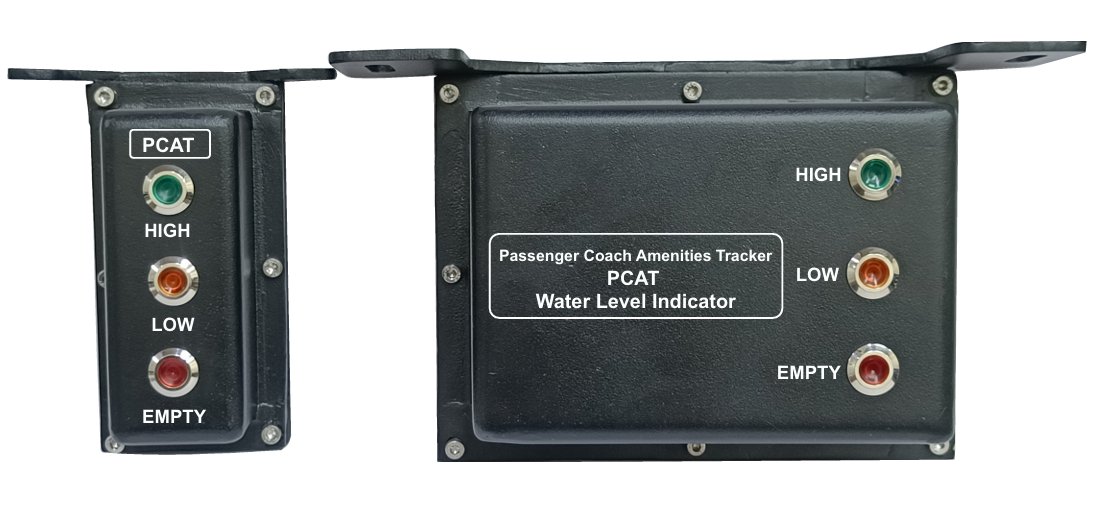
IoT Water Level Indicator System
A real-time water level monitoring solution for Indian Railway passenger coaches, certified to IS/RDSO-CG/0002:2025.
Read the StoryProblem Statement
Indian Railway coaches refill water at limited stops, and pantry crews historically rely on visual checks of overhead tanks. Empty toilets and dry pantries during long-haul runs degrade the passenger experience and trigger penalty clauses for the operator. Capacitive sticks corrode in chlorinated water; ultrasonic sensors mistrigger under coach vibration; cellular reception is patchy through metal roof shells.
The brief from RDSO was uncompromising: continuous level reporting, three/ four storage tanks per coach, no field calibration, and survival across the full non-forgiving Indian operating envelope from Baramulla to Kanyakumari.
Planning
We split the system into a sealed sensor head, a coach-roof gateway, and a backend ingestion service. The sensor uses a non-contact pressure-based principle that ignores foaming and slosh, with redundant ranging so a single failed cell does not blind the tank. A custom RF front-end was tuned for the metal-cavity coach roof, and the firmware was structured so the LTE modem only wakes once telemetry has aggregated — extending battery life to seven years on a 19 Ah primary cell pack.
Compliance work began on day one. We architected the software to IEC 62279 SIL-2 practices even though the application sits below safety-critical, because the certification body would later audit traceability against IS/RDSO-CG/0002:2025.
Testing
Type-test campaigns ran at our Vadodara lab against the full RDSO matrix: thermal cycling −10 °C to +70 °C, vibration to IEC 61373 Cat-1 Body, EMC to EN 50121-3-2, and ingress to IP67. We rebuilt the antenna twice after RF profiling on real coaches at the Mumbai car-shed revealed a deep null at 1800 MHz caused by a roof rib pattern.
Field validation covered six rakes across four climatic zones for nine months. We tracked false-empty events, GSM disconnections, and cell drift; the final firmware shipped with adaptive median filtering tuned against that dataset.
Production
The product was tested across the Indian Railway coaching yard for long-distance rakes, supplied as a sealed, drop-in unit with M12 connectors and an over-the-air update channel. Coach maintenance staff replace it as a single line-replaceable unit — no on-site calibration, no opening of the housing.
Production happens at our Vadodara facility under an ISO 9001:2015 quality system, with end-of-line testing that exercises every cell, the LTE radio, and the GNSS fix before the unit is sealed for shipment.
Other Case Studies from the portfolio.
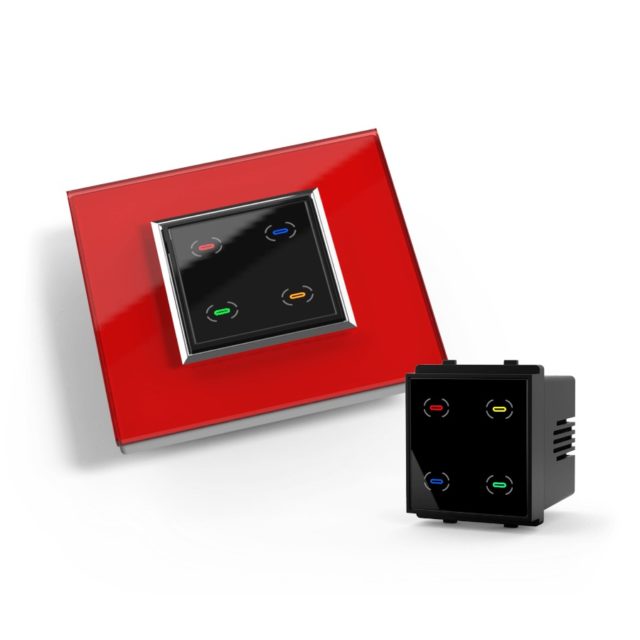
IEEE 802.15.4g Sub-GHz Mesh Network Suite
A complete home automation platform on sub-GHz mesh — superior wall penetration and range compared to 2.4 GHz alternatives.
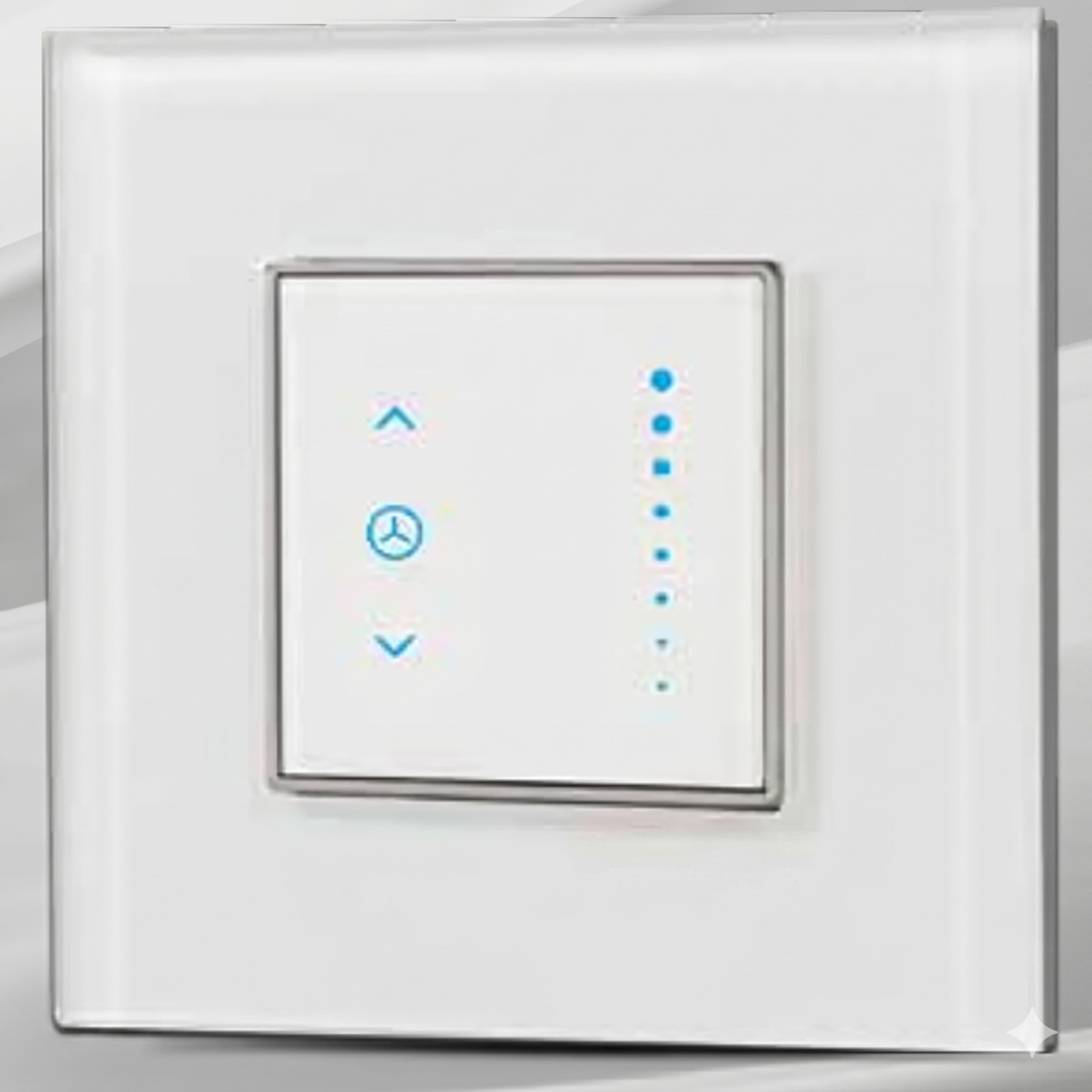
Wi-Fi Home Automation System
Smart switches, dimmers, outlets, sensors, and controllers — hubless Wi-Fi operation with local and cloud control and OTA firmware.
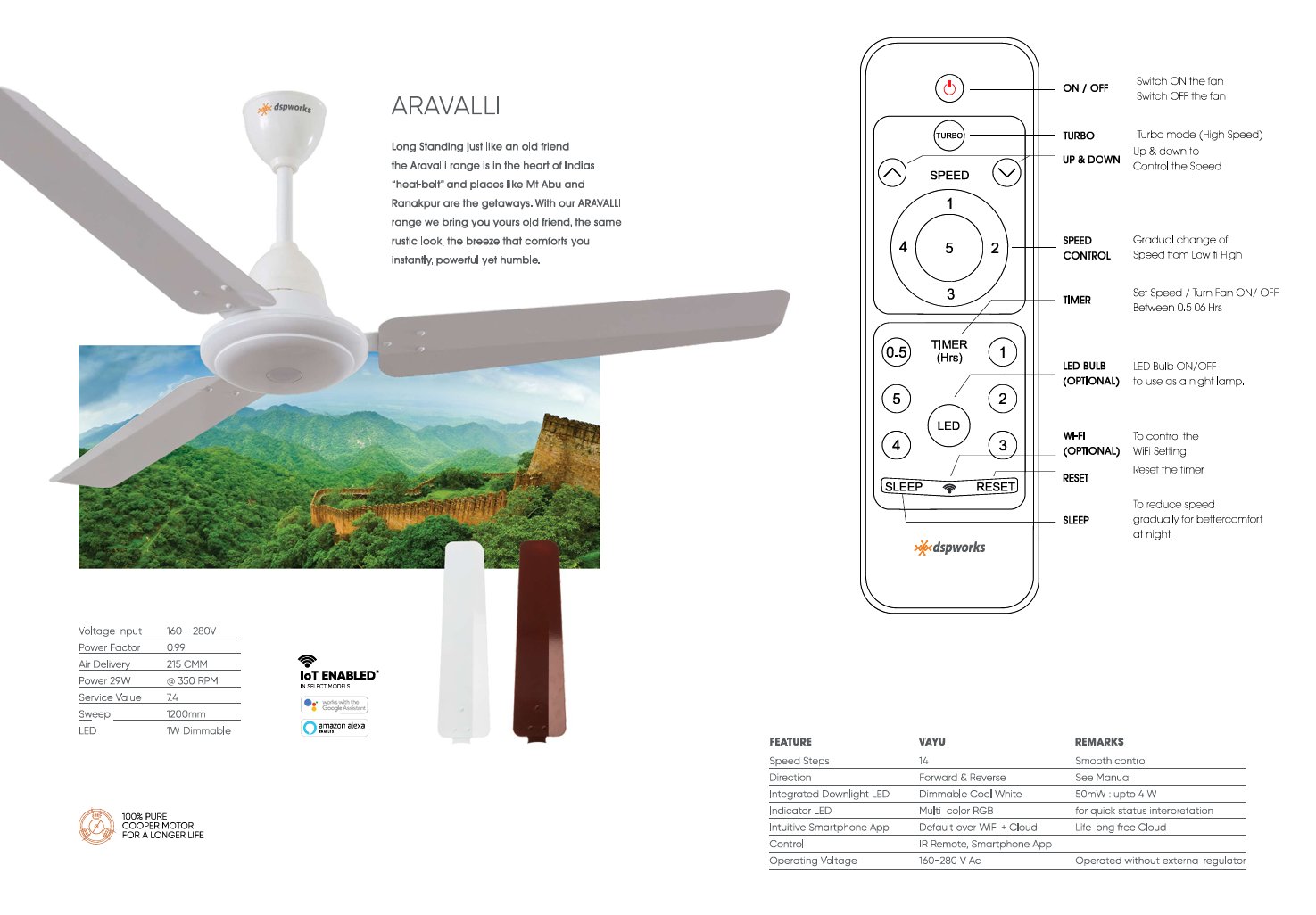
Vāyu — Desh Ki Hawa · BLDC Ceiling Fan
DSPWorks' own consumer brand — a 28W BLDC ceiling fan with 65% energy savings over conventional fans.
Ready to transform your complex challenges into competitive advantages?
Partner with DSPWorks for end-to-end product realization that combines technical mastery with global scale.